What will a typical session with a sports therapist involve?
First Session:
- Initial consultation (approximately 20 minutes).
- A combination of massage therapy and exercises (35-40 minutes)
Subsequent sessions
- Subjective/objective assessment (approximately 10-15 minutes)
- Massage therapy and various techniques to suit individual needs (approximately 30-35 minutes)
- Rehabilitation exercises (approximately 10 minutes)
Injury Assessments
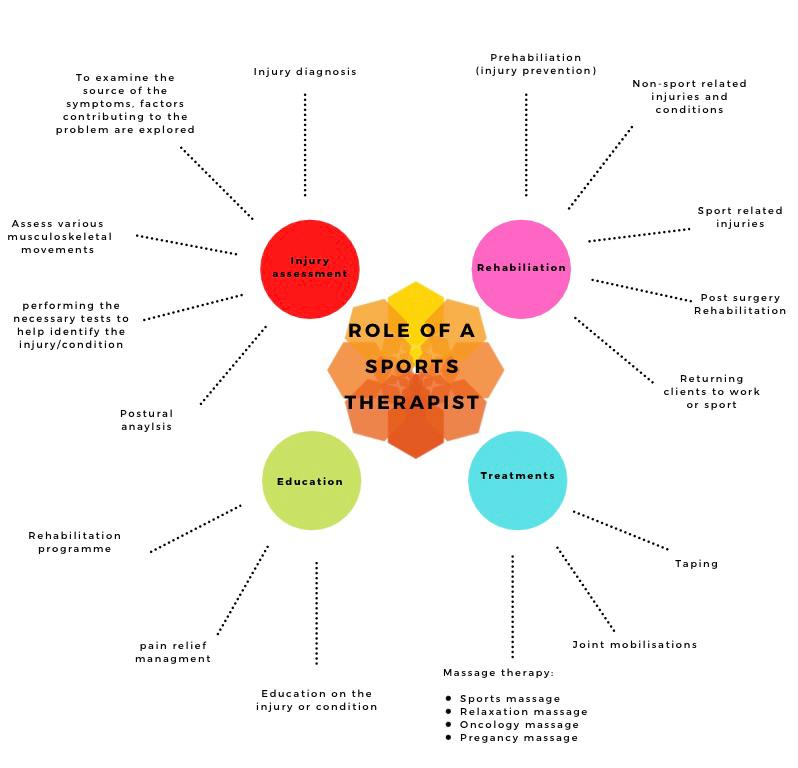
This part of the process will help your sports therapist understand your injury and how best to treat it. To examine the symptoms, factors contributing to the problem are explored by talking it through with you.
Physical components, including posture and movement checks, are also used to help identify the problem. Any precautions and contraindications to treatment or clinical impression of the injury or condition are also assessed.
This information enables your sports therapist to assess the degree of movement, injury type, severity and the best possible treatment and rehabilitation to achieve the optimum outcome. Advice will be given to help prevent injury re-occurrence in the future.
The initial assessment process will give our sports therapist a good understanding of the right treatment and/or rehabilitation plan, designed specifically for you and your injury!
Treatment
Here at Keheren Therapy, our sports therapist can perform various treatment interventions that are suitable and most beneficial to your injury/condition and personal history. Here are some of the commonly used treatments used:
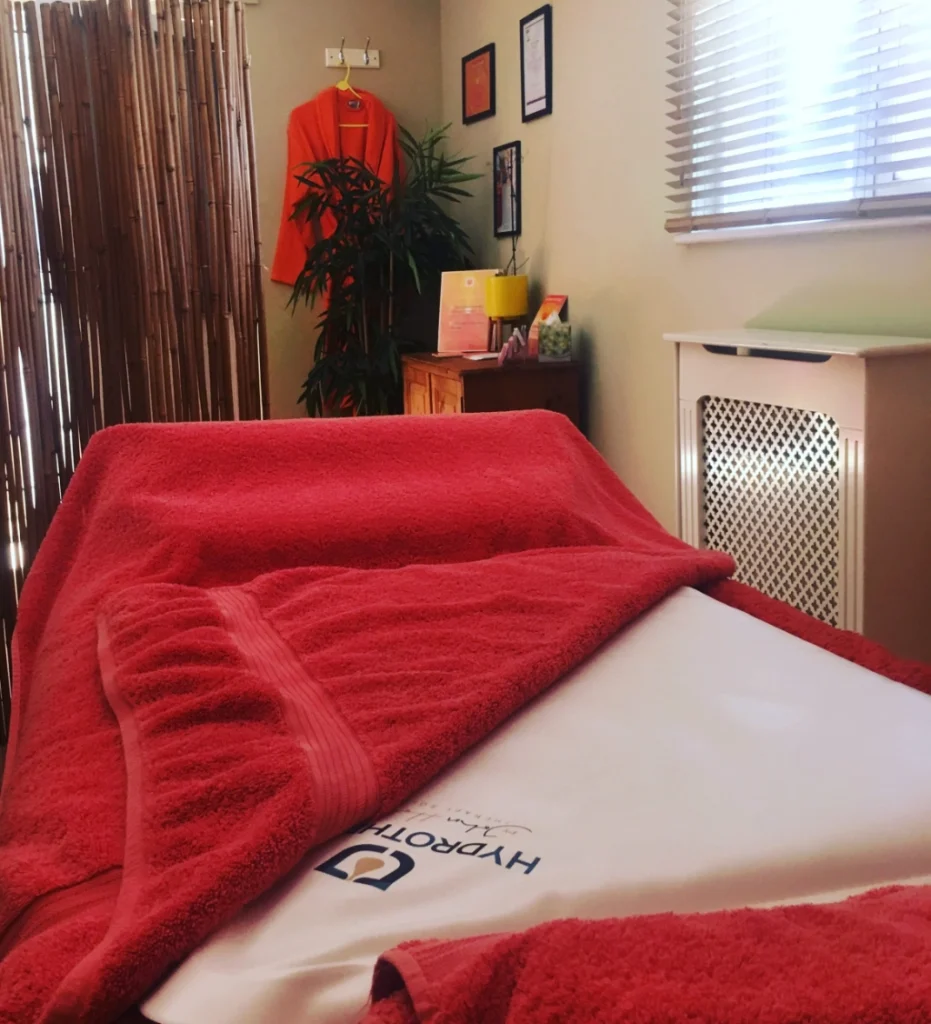
- Sports/Remedial Massage– Sports Massage is a treatment for an individual with an injury. This helps relieve muscle tension, which can reduce pain and the risk of injury. At Keheren Therapy, our sports therapist utilise the Hydrotherm System to provide massage treatments.
- Taping– various taping methods can be used within a treatment session to help reduce pain, decrease swelling. This helps to provide support to injured areas, and improves athlete performance. Taping options available: Kinesiology tape, elastic adhesive strapping or zinc oxide tape.
- Proprioceptive neuromuscular facilitation (PNF) – used within treatment sessions to help a range of motion, such as flexibility. Flexibility is vital for athletes and non-athletes alike, allowing individuals to move comfortably and freely within daily life.
Rehabilitation
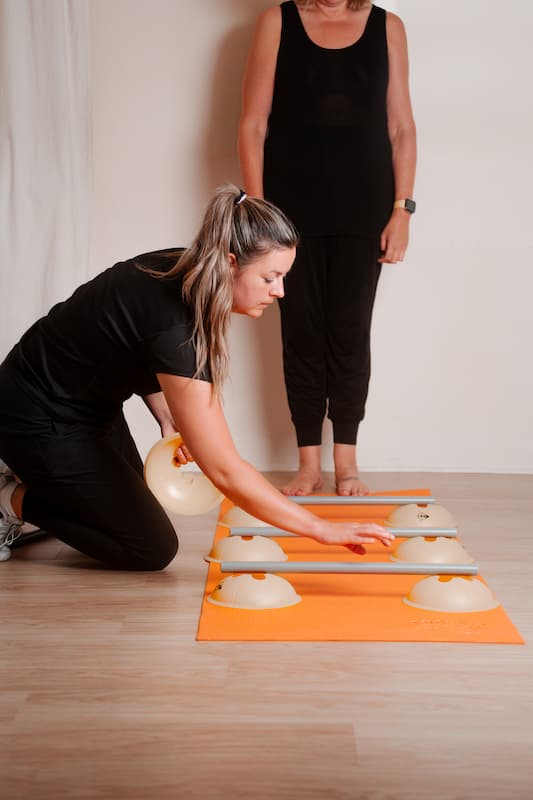
Depending on the nature of your injury/condition, rehabilitation is necessary and essential in most cases. Our sports therapist at Keheren Therapy can support and guide you through an individualised rehabilitation programme, offering advice on exercise-based rehabilitation to return to daily life including activities, hobbies, work or sport.
- Non-sporting rehabilitation – Rehabilitation for those with injuries, aches and pains. This helps individuals back to optimum levels of everyday life. This is irrespective of age and ability and is achieved by focusing on movement and gait that may cause daily stresses and strains. Therefore, sports therapy aims to increase your movement and strength range and reduce the risk of further injury.
- Sports specific rehabilitation – supporting an athlete through the early stage of injury, all the way to returning to their sport successfully. Providing the right rehabilitation will assist those looking to return to their sport with confidence. To achieve this, exercises and sports-specific drills are essential. Above all, this is because of the focus on biomechanical gait and increasing movement and strength. This will, in turn, help to reduce the risk of further injury.
- Injury Prevention (Prehabilitation) – this is ultimately essential for everybody in their everyday life, whether this helps to prevent further injury whilst at work or being involved in sport… which relates to keeping you injury-free in the future.