

What is myofascial release good for?
Myofascial Release & Trigger Point Therapy
Myofascial Release and Trigger Point Therapy are highly effective hands-on techniques used to relieve muscular pain, restore movement, and support long-term physical wellbeing. These approaches are grounded in well-established research into how muscles and connective tissue (fascia) respond to stress, injury, and overload.
The Science Behind Trigger Points
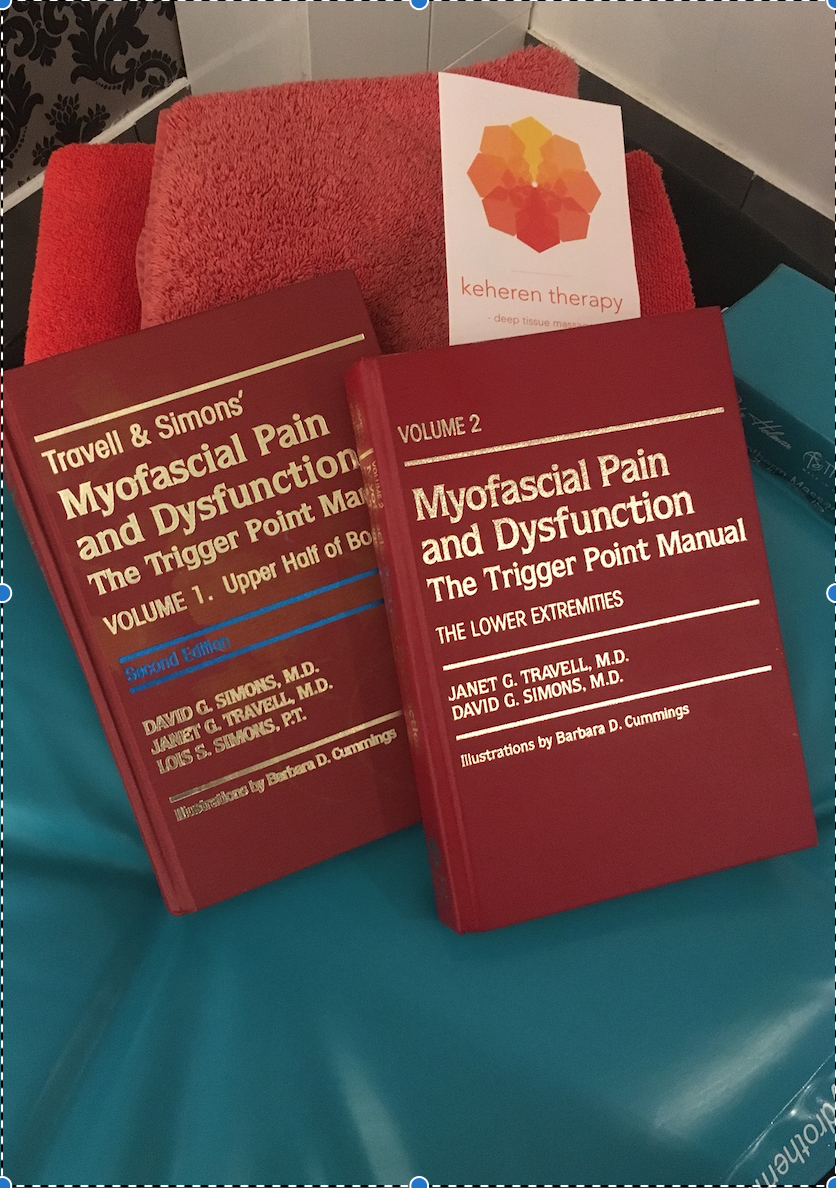
Trigger points were first documented by Janet Travell, a pioneer in the treatment of myofascial pain. Alongside David Simons, she co-authored Trigger Point Manual, which remains a key reference for clinicians studying myofascial pain and dysfunction.
A trigger point is defined as:
“A hyperirritable spot in skeletal muscle that is associated with a hypersensitive palpable nodule in a taut band.”
Research suggests that clinicians can reduce trigger point pain and improve tissue health by releasing tight areas, restoring normal muscle extensibility, and improving circulation to reduce localised hypoxia and acidity.
Clinical studies have also shown that combining trigger point therapy with massage can significantly reduce back pain and other musculoskeletal discomforts.
What Is Fascia & How Does Myofascial Release Work?
Fascia is a web-like system of connective tissue that wraps around and supports muscles, organs, and the skeletal system. It connects different muscle groups into functional chains, allowing smooth and coordinated movement. When healthy, fascia is flexible and adaptable.
However, injury, repetitive strain, emotional stress, or environmental factors (such as cold or heat) can cause fascia to tighten and shorten. This can lead to the formation of painful nodules known as trigger points. Because fascia is part of a continuous system throughout the body, pain can be referred to areas away from the original source.
Myofascial Release works by gently and effectively releasing these restrictions, helping to reduce pain, improve movement, and restore balance throughout the body.
What Is Myofascial Release Good For?
Clients often attend with:
-
Localised or widespread muscular pain
-
Burning or aching sensations
-
Tender or tight spots
-
Postural discomfort
-
Restricted movement
Trigger Point Therapy and Myofascial Release can help with a wide range of soft tissue and musculoskeletal issues, including:
-
Neck and shoulder tension
-
Lower back pain
-
Tendon and ligament discomfort
-
Repetitive strain injuries
-
Poor posture-related pain
-
Chronic muscular tension
These techniques are suitable for both acute and long-standing conditions.
Needle vs Non-Needle Trigger Point Therapy
Trigger point therapy can be performed with or without needles. Invasive methods (such as dry needling or injections) carry a small risk of bleeding, scarring, or infection.
Our approach focuses on non-invasive, hands-on techniques, which safely and effectively release trigger points using manual pressure and soft tissue methods — without the risks associated with needles.
What to Expect During a Treatment
Sports massage often incorporates trigger point therapy as part of a tailored treatment plan. Your therapist will apply targeted pressure to areas of tension and restricted movement. You may be guided to use deep breathing to help the body relax and respond to the treatment.
While some techniques can feel intense, treatments are always adapted to your comfort level and combined with relaxation methods to ensure a positive experience.
Massage therapy can:
-
Improve circulation and microcirculation
-
Help realign muscle fibres
-
Reduce muscle spasm
-
Decrease pressure on pain receptors
-
Support faster nutrient delivery to damaged tissue
Massage may also help regulate biochemical substances such as serotonin, which plays a role in reducing pain, anxiety, and low mood.
Self-Care for Trigger Points
Alongside professional treatment, self-care can be very effective in managing muscular pain:
-
Gentle, guided exercise programmes
-
Stretching and mobility work
-
Foam rollers or massage balls
-
Tennis or golf balls for targeted release
Research suggests that simple self-release techniques can be a low-cost and effective way to manage ongoing muscle tension and discomfort between treatments.
Book a Treatment
To book a massage at Keheren Therapy Truro, please use our online booking system.
If you have any questions, contact our team at: info@keherentherapy.co.uk
Telephone No.07943630148